Rats In The Garden
In Wisbech - Signs And Suggestions
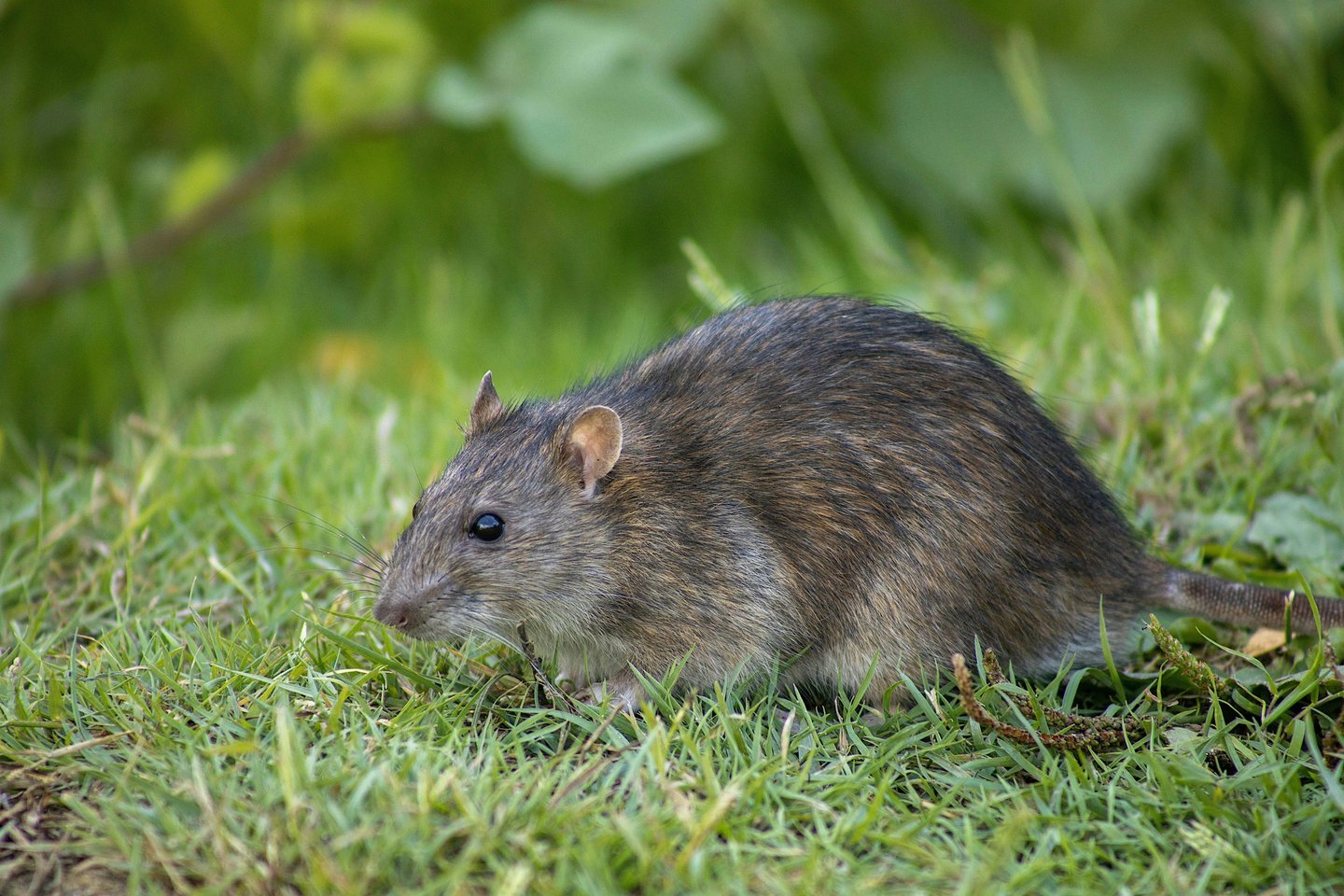
In many homes across Wisbech, outdoor spaces such as lawns, sheds and compost areas can provide protection and food sources that attract rats before they travel indoors.
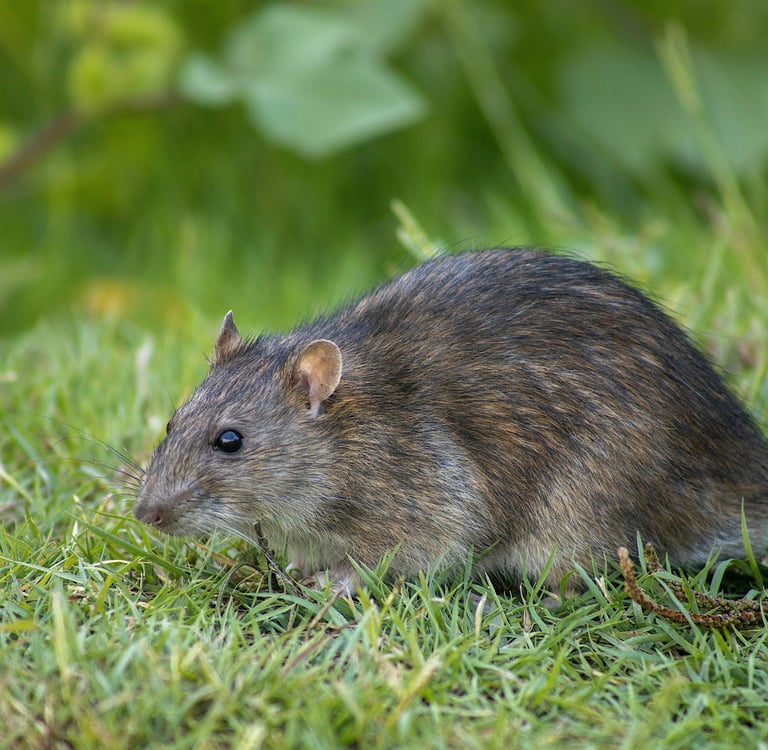
Early signs such as a lone rat burrowing or running across the garden can seem annoying and not a critical issue; but if left unaddressed, activity may increase over time and become more difficult to manage
What Attracts Rats To Gardens
Gardens can unintentionally provide ideal conditions for rats, particularly in areas with a mix of residential and rural surroundings.
Common attractants include:
Wood piles and stored clutter offer ideal undisturbed, dark spaces for nesting.
Improperly closed rubbish bins that contain food waste encourage rats to scavenge, particularly in urban and suburban areas.
Cracked, damaged and old sewage pipes can become "runways" for rats to infiltrate gardens from under the ground.
Water sources such as drains, ponds or standing water provide nourishment for rats
In parts of Wisbech near the River Nene or areas like Leverington Road, properties may also be closer to natural rodent habitats, increasing the chances of activity spreading into gardens.


Why Rats In The Garden Shouldn't Be Ignored
In areas such as Elm Road or Sandyland Street, where properties may have connected gardens or shared boundaries, rats can travel between properties more easily.
Rats may:
Use damaged air bricks
Establish gardens as a base before entering your home
Follow scent trails back to reliable food sources
Sneak under misaligned garden back doors or side doors. Due to rats' compressible spines, even a gap as small as a quarter of an inch can be enough to present an access point.
While outdoor activity may seem less urgent than indoor infestations, it can often be the starting point for a larger problem.
Addressing the issue early may help reduce the likelihood of rats moving indoors. Experts operate throughout Wisbech, and if you'd like to learn more about rat control specifically, you can see techniques that might be used to reduce their presence.
How Rats Commonly Enter From The Gardens
Rats are capable of squeezing through surprisingly small openings and may use multiple routes to access a property. Once a route is established, rats may continue using it repeatedly.
Common entry points include:
[01]
Openings Beneath Sheds or Decking
[02]
Roofline gaps accessed via climbing structures
[03]
Cracks In Walls or Foundations
Can Rats In The Garden Lead To Indoor Infestations
This is possible if the issue is not tackled promptly.
Gardens often act as a stepping stone for rodents. Rats require more water intake than other rodents, causing them to gravitate towards pipework inside a home.
Moreover, as long as food, shelter and access points remain available, rats may increasingly move closer to the your home or property, especially during colder months when they seek warmth.
This is more likely when:
colder weather reduces outdoor food sources
shelter is limited outside
entry points are easily accessible


What Can Help Reduce Rat Activity In The Garden?
Professional support might be required if you've already detected a rat presence, but there are still strategies you can use to deter rats, such as:
Securing food sources such as bins and compost
Keeping vegetation trimmed and controlled
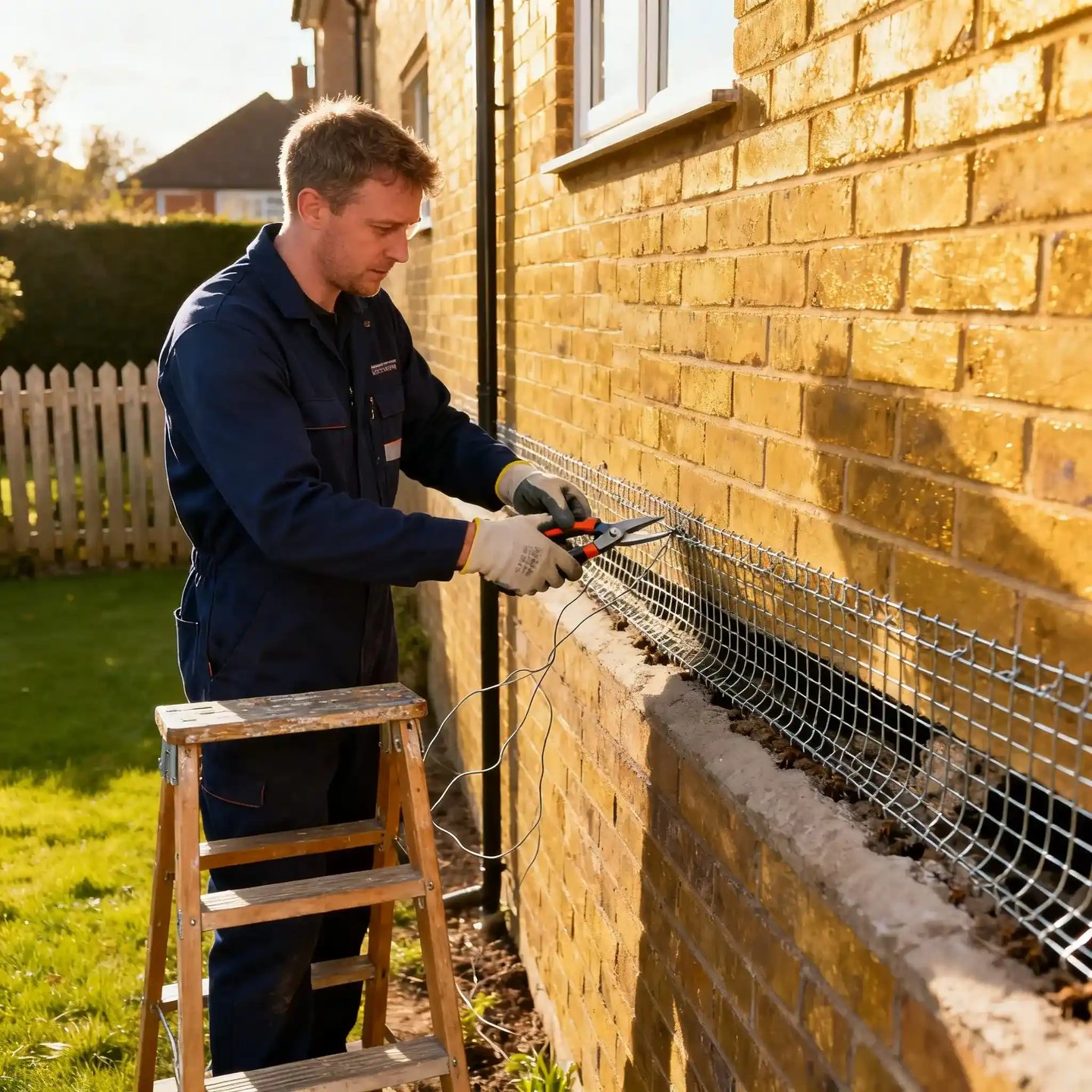
Blocking visible gaps or access points where possible
Avoiding leaving pet food outdoors overnight
This actions can help make the environment less appealing to pests.


Sign 1
Sign 2
Sign 3
Disturbed compost or overturned soil
Rats are drawn to compost due to the heat it provides. Avoid creating conditions that provide warmth or shelter within compost or soil areas
Tracks or smear marks along walls and surfaces
Rats have oily bodies which leave smear marks when they scurry along travel routes.
Small burrow holes in soil or along fence lines
Because rats need secure, underground shelter for nesting and breeding, they frequently dig holes in gardens to create a safe location. You can dissaude rats from burrowing by aiming a garden hose into the holes.
Signs of Rats In The Garden
Frequently Asked Questions About Rats In The Garden In Wisbech
Are rats in the garden common in Wisbech?
They can be, particularly in areas with gardens, outdoor storage and nearby open land. Environmental factors may influence how frequently activity occurs.
Do rats always enter the home from the garden?
Not always, but gardens can provide a starting point. In some cases, rats may remain outdoors if conditions continue to suit them.
Are rat burrows dangerous?
Burrows themselves may not always cause immediate issues, but they can indicate ongoing activity and may expand over time if left untreated.
What time of day are rats most active outdoors?
Rats are typically more active during the evening and night, although daytime sightings can occur in some situations.
Can compost attract rats?
In some cases, compost containing food waste may attract rodents, particularly if it is easily accessible.
Will rats leave the garden on their own?
This can vary. If food, shelter and access remain available, rats may continue using the area.
[CTA]
Get Help With Rats In The Garden - Call A Pest Expert In Wisbech Today
✓ Fast local response times
✓ Straightforward booking process
✓ Tailored treatment plans

Professional Help For Rats In The Garden In Wisbech
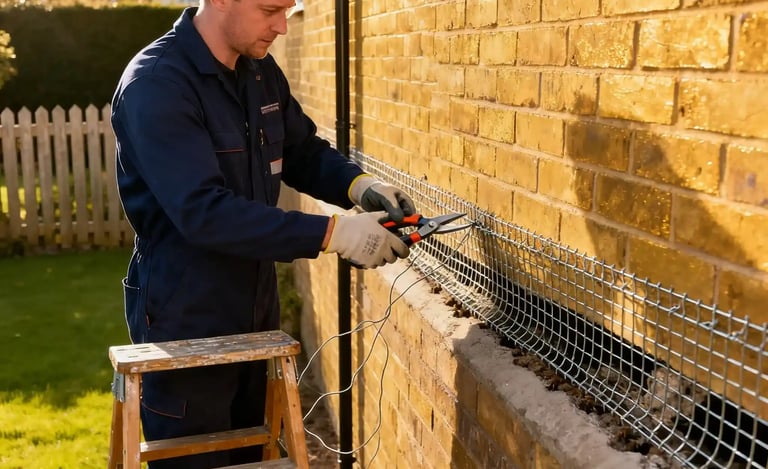
Support from a pest control contractor may help assess the situation and identify:
where rats are entering
how they are moving through the garden
what conditions may be supporting activity
Depending on the situation, a targeted approach may be used to help reduce activity and limit further spread. If you haven't had your question answered on this page, feel free to contact us at any time.
Get Help with Rats In The Garden
If you’re noticing signs of rat activity outdoors, taking action early may help prevent the issue from developing further. You can also see a full overview of the pest issues we can help you tackle.
© Wisbech Pest Control
Copyright 2026
Serving Wisbech and Fenland Areas
all content is owned by Wisbech Pest Control.
You do not have permission to download, reuse or sell any of the content on this website.
All contractors are independent businesses responsible for their own licensing, qualifications, and insurance. We do not guarantee or independently verify the validity of any certifications.
Email - info@pestcontrolwisbech.co.uk