Wasps Nests In The Roof In Wisbech
It often starts with seeing half a dozen wasps. A few fly past you up into the roof eaves. Next you begin to notice a few dead wasps on the ground. Then suddenly, more wasps begin appearing near windows or lights, and it becomes difficult to ignore.
For homeowners in Wisbech, a wasp nest in the roof space can develop quietly before becoming more noticeable, particularly during warmer months when activity increases.
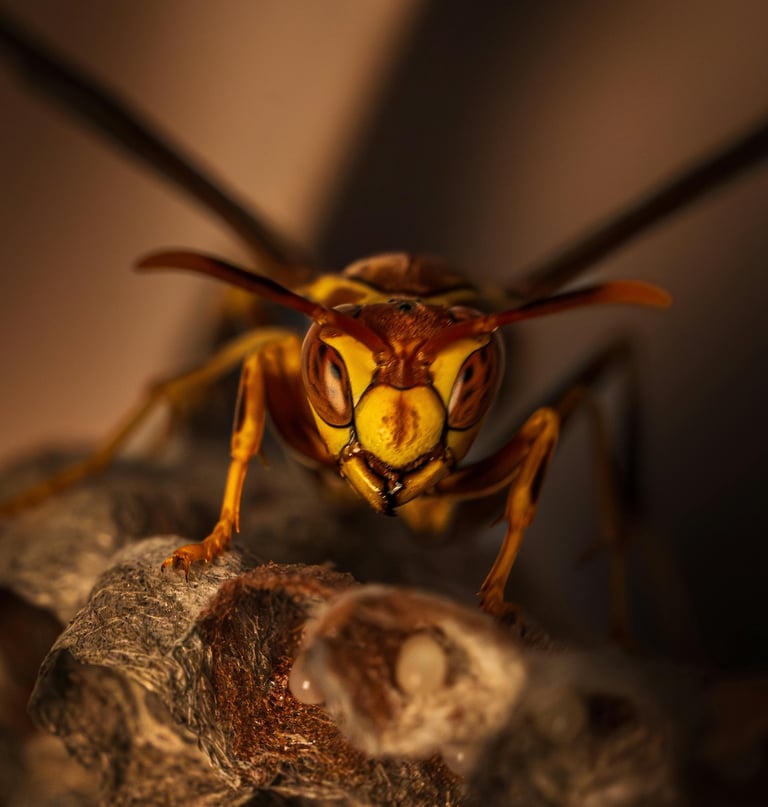
Why Wasps Build Nests In Roof Areas
Roof spaces provide ideal nesting conditions for wasps, especially during spring and summer when queens are searching for sheltered locations.
Common reasons include:
Warm, dry environments protected from weather
Limited disturbance compared to living areas
Easy access through rooflines, vents or small gaps
Proximity to outdoor food sources such as gardens
In areas of Wisbech such as South Brink and North Brink, where properties may include older roof structures or outbuildings, small access points can allow wasps to enter and establish nests without immediate detection.
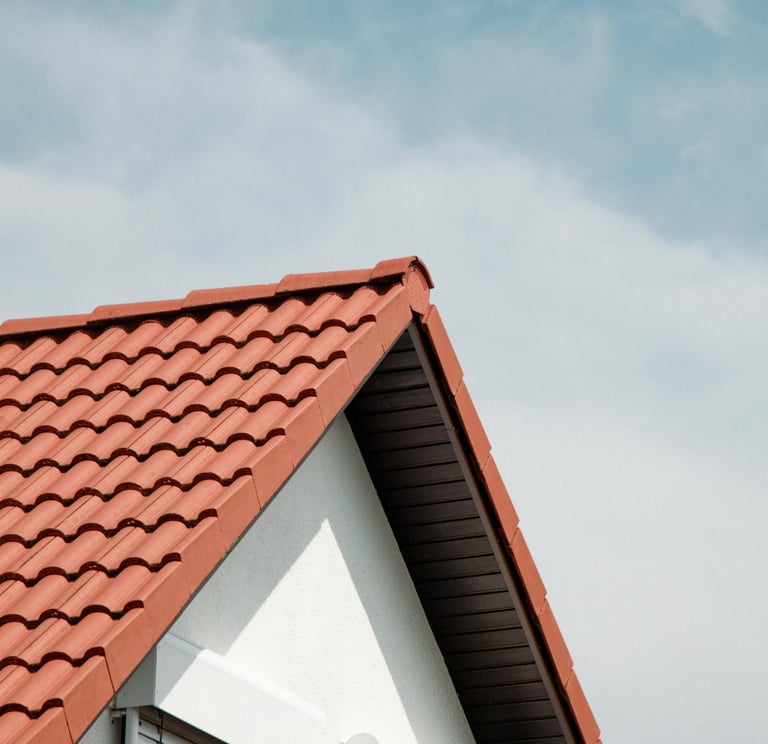
Why a Wasp Nest In The Roof Should Be Tackled Immediately
Roofs offer a stable structure for queen wasps. If a wasp nest in the roof is not addressed early, it can expand over time, particularly during peak summer months. Warm weather speeds up wasps' metabolism, allowing larvae to grow faster and worker wasps to forage more successfully.
This may lead to:
More persistent wasp presence around the property
Increased sightings of dead wasps on window sills and near light sources
Continuous low buzzing noise within ceiling space
Many homeowners find roof voids not easily accessible. This can lead to wasp nest activity developing without detection until it becomes obvious enough to present a problem.
How Wasps Access Roof Spaces
MiAreas such as Mile Tree Lane in Wisbech have older style Georgian houses, which contain older style roof layouts characterised by hidden valley gutters. These roof types can be more prone to wasp invasions because the joining points in the valley often have small gaps in the soffits, tiles, or eaves.
Common entry points include:
Openings along rooflines or under tiles
Gaps in soffits or fascia boards
Deteriorating building material
Air vents and loft ventilation points
Small cracks around eaves or structural joins
Once an entry point is confirmed, wasps may reuse the same route consistently as the nest expands.
There are some steps you can take to minimise the wasp nest problem, even if only temporarily, such as:
[01]
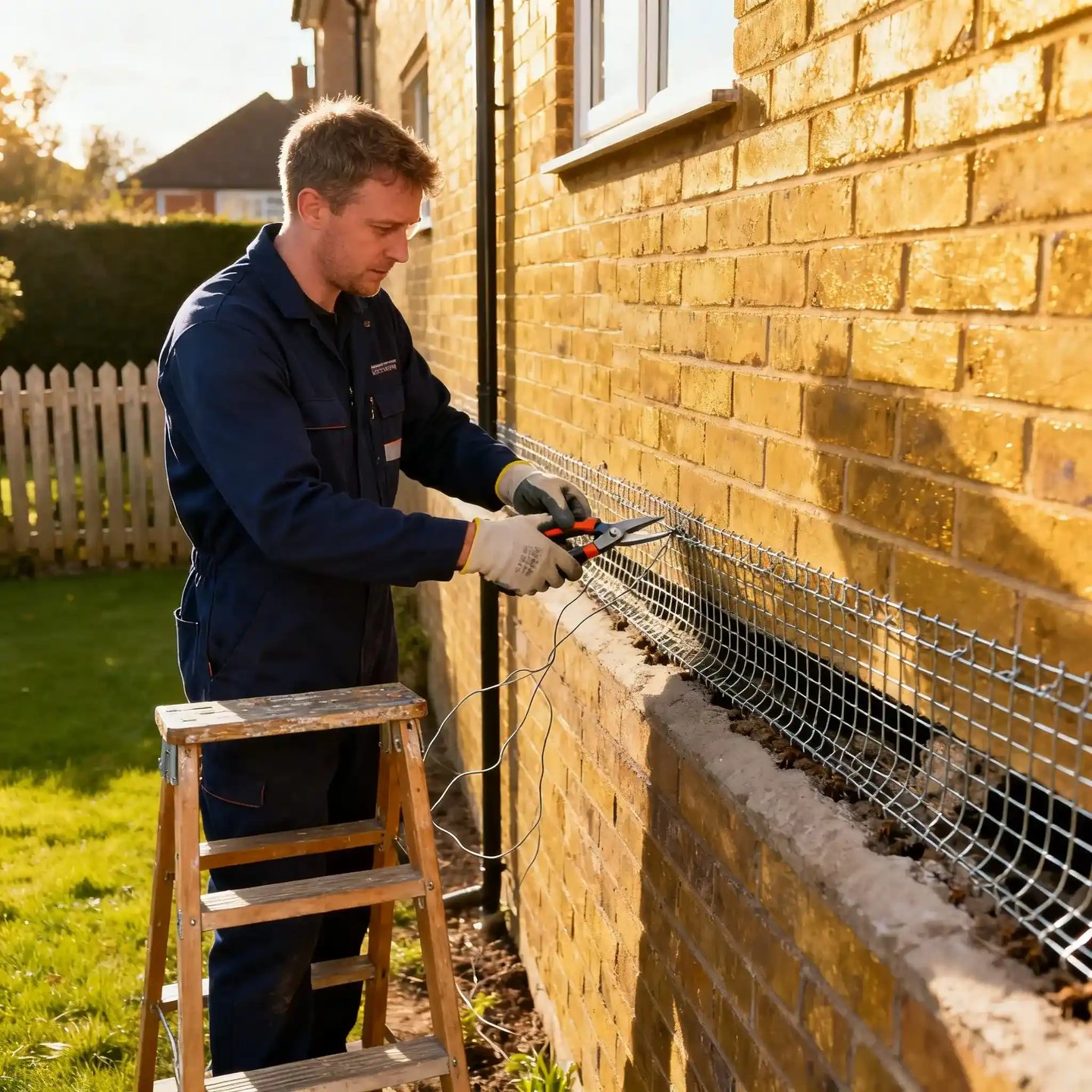
Replace Damaged Fascia Boards
Damaged gutters and fascia boards can leave gaps. Replacing the fascia boards might may reduce available entry points.
[02]
Spray Essential Oil
Spraying peppermint oil near the eaves can sometimes be an effective way to deter wasps from entering eaves.
[03]
Reduce Scrap Food
Wasps are attracted to scrap food left in bins or on the pavement. Eliminating all sources of sugar can help reduce wasp activity.
Can A Wasp Nest In The Roof Grow Over Time
Yes. A single queen emerging in spring may begin building a small nest, which can expand steadily as worker wasps are produced.
Over time:
activity levels typically increase
more wasps may be seen around the property
the nest may become more established within the roof space
Because this process happens gradually, early signs are sometimes overlooked.
To learn more about how to tackle an early sign in a commercial, industrial or residential property, you can visit our main Wasp Nest Removal page in Wisbech


Expert Help For Wasp Nests In The Roof In Wisbech
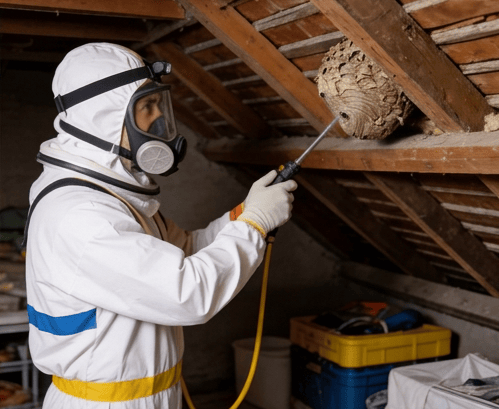
A pest control contractor may help assess the situation and identify:
where wasps are entering the roof space
how the nest is positioned within the structure
the most appropriate approach based on access and activity levels
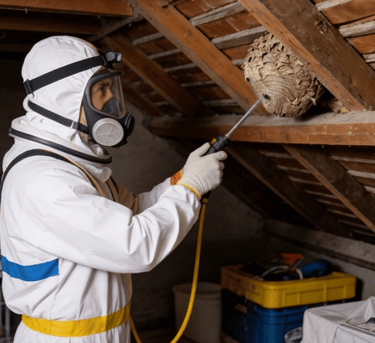
Depending on the situation, treatment may be carried out in a way that reduces the need to directly approach the nest.
Sign 1
Sign 2
Sign 3
Heightened wasp activity around rooflines or gutters
Columns of wasps flying across each other near the front door
A wax-like smell can signal high nest-building wasp activity
As the nest develops, other signs such as wasps appearing indoors near bathroom lights can occur.
Signs of Wasps In The Roof
Frequently Asked Questions About Wasp Nests In Roofs
How do I know if the buzzing is from a wasp nest or something else?
Consistent buzzing in the same location—particularly during daylight hours—may indicate wasp activity. This is often combined with visible wasps entering and exiting a specific point on the roof exterior.
Can wasps get into the house from the roof?
In some cases, yes. Wasps may enter internal spaces through light fittings, loft hatches or small gaps, especially if the nest is located close to ceiling areas.
Is a wasp nest in the roof dangerous?
Risk can vary depending on the situation. Increased activity may lead to more frequent encounters, particularly around entry points or indoor areas. Caution is generally advised when dealing with roof-based nests.
Will a wasp nest go away on its own?
Wasp nests are typically seasonal and may become inactive over time. However, during active months, activity may continue to increase before naturally declining.
Can I remove a wasp nest from the roof myself?
Accessing roof spaces and approaching nests can be difficult and may carry risk. In many cases, people choose to seek professional support rather than attempting removal themselves.
Why do wasps return to the same roof area each year?
Wasps may be attracted to similar sheltered locations if access points remain available. If entry gaps are not addressed, new queens may explore the same areas in future seasons.
[CTA]
Have A Wasp Nest In Your Roof? Call An Expert In Wisbech
✓ Fast local response times
✓ Straightforward booking process
✓ Tailored treatment plans
Help is available if you need more information before making a decision.

© Wisbech Pest Control
Copyright 2026
Serving Wisbech and Fenland Areas
all content is owned by Wisbech Pest Control.
You do not have permission to download, reuse or sell any of the content on this website.
All contractors are independent businesses responsible for their own licensing, qualifications, and insurance. We do not guarantee or independently verify the validity of any certifications.
Email - info@pestcontrolwisbech.co.uk