Mice In The Kitchen In Wisbech - Steps To Take
If you’re noticing signs of mouse activity in your kitchen, taking action early may help prevent the issue from becoming more difficult to manage. Support in Wisbech may be available depending on contractor availability and local demand.
Instead of dreading the evenings and going downstairs to the kitchen to fetch water at night, request the help of an expert who can use professional grade tools while also taking child and pet safety into consideration where applicable.
You can explore your options and learn more about how Wisbech home and business owners can benefit from using this site.


Why Mice Are Attracted To Kitchens
Kitchens typically offer conditions that promote mouse activity, mainly due to the warmth provided by ovens, stoves and dishwashers.
Other common contributing factors include:
Food residue on surfaces, floors or inside cupboards
Accessible dry goods such as rice, flour and cereals
Hidden voids behind cabinets or beneath flooring
Cupboards and behind cabinet units that act as a safeguard from other predators
In Wisbech, areas such as Bedford Street and Chase Street feature older properties with extended kitchen spaces. Sometimes these types of layouts contain small structural gaps that can go undetected. providing mice the opportunity to enter in and out without detection


Why Mice In The Kitchen Should Be Addressed Early
Mice reproduce quickly under suitable conditions. A female mouse can become pregnant again approximately 24 hours after giving birth.
Kitchens can promote ideal breeding conditions because:
overflowing rubbish bins can offer a constant food supply
pet bowls and uncovered pet food help provide sustenance for mice
urine presence from previous mice population denote that it's an ideal nesting location
Because early signs are easy to dismiss, mouse activity may become more established before it is fully recognised.
How Mice Access Kitchens
Mice are capable of entering through very small gaps—often as little as 6–7mm—allowing them to access internal spaces through areas that may not be immediately visible.
Common entry routes include:
Gaps around pipework beneath sinks
Openings behind kitchen units or integrated appliances
Cracks in walls or flooring
External entry points that connect to internal voids
Once access has been established, mice may follow the same routes repeatedly, often using scent trails to navigate between food sources and nesting aThere are still certain steps you can take to temporarily reduce a mice problem, such as,
[01]
Stuff Gaps With Steel Wool
Use steel wool or copper mesh to fill gaps behind appliances. Abrasive, sharp metal fibre is difficult for mice to chew through.
[02]
Use Door Sweeps To Block Gaps
Purchase a cheap door sweep equipped with a rubber or vinyl brush to close gaps underneath doors. Mice can squeeze underneath doors due to their absence of a rigid collar bone.
[03]
Remove Potential Hiding Places
Remove heaps of rubbish, plastic or cardboard, as this make it harder to mice to avoid detection.
What Can Help Reduce Mice Activity In Kitchens
There are practical steps that may help make the kitchen less attractive to mice:
Storing food in sealed containers
Regularly cleaning surfaces and removing food residue
Checking for visible gaps around pipework or units
Avoiding leaving food exposed overnight
However, where activity is already established, these measures alone may not fully address the issue.
A technician can assess the severity of the issue, and if this interests you can explore all services available on our main page here.


Can Mice Stay Hidden In Kitchen Areas?
Yes. Mice often remain out of sight by nesting in:
wall cavities
spaces behind cupboards
under flooring or appliances
Because these areas are rarely accessed, activity can continue without being immediately obvious, particularly during the early stages.
An expert who focuses on identifying secret gaps in kitchens is often available for same day appointments. See our Mice Control in Wisbech page
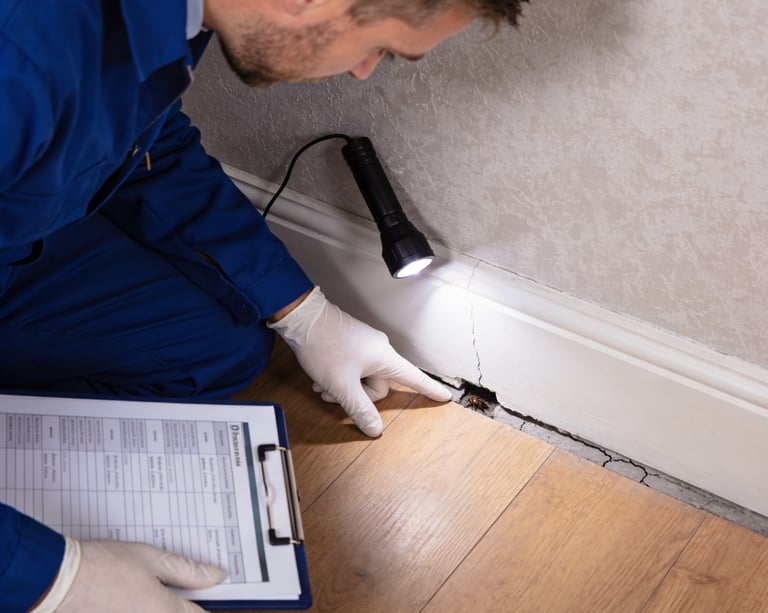
Sign 1
Sign 2
Sign 3
Scratching or movement sounds behind walls or under flooring
Mice have to travel within wall voids to secure food. This movement is what creates a scratching sound and reveals their presence.
Food items appearing disturbed or partially eaten
Food such as rice, lentils, oats or flour being emptied out on the floor is a sign of intrusion.
Gnaw marks on food packaging or kitchen materials
Mice have teeth that never stop growing, which causes them to constantly chew on material such as wood or cardboard
Signs of Mice In The Kitchen
Frequently Asked Questions About Mice In Kitchens
Why are mice more common in kitchens than other rooms?
Kitchens provide a consistent combination of food, warmth and shelter, making them one of the most attractive areas within a property for mice.
Can mice contaminate food without it being obvious?
In some cases, yes. Mice may access food packaging or surfaces during the night, which may not always be immediately noticeable.
Do mice only come out at night in kitchens?
Mice are primarily nocturnal, but daytime sightings can occur, particularly if activity levels increase or food sources are limited.
Can mice live behind kitchen cabinets permanently?
They can remain in hidden voids for extended periods if conditions remain suitable, particularly where access to food and shelter continues.
Are crumbs enough to attract mice?
Even small amounts of food residue may contribute to attracting mice over time, especially when combined with accessible shelter.
Will mice leave if the kitchen is kept clean?
Cleaning may help reduce attraction, but if entry points and nesting areas remain, mice may continue to return. If you'd like advice on how to reduce mice presence quickly, you can send a message and we'll get back to you within 24 hours.
[CTA]
Have A Mice Problem In Your Kitchen? Call A Pest Expert In Wisbech Today
✓ Fast local response times
✓ Straightforward booking process
✓ Tailored treatment plans



Professional Support For Mice In Kitchens In Wisbech
A pest control contractor may help assess the situation and identify:
where mice are entering
how they are moving within the property
which areas are most affected
Depending on the situation, a targeted approach may be used to help reduce activity and limit further spread.
Get Help with Mice In The Kitchen
If you’re noticing signs of mice activity in your kitchen, taking action early may help prevent the issue from developing further. Support in Wisbech may be available depending on contractor coverage and demand.
© Wisbech Pest Control
Copyright 2026
Serving Wisbech and Fenland Areas
all content is owned by Wisbech Pest Control.
You do not have permission to download, reuse or sell any of the content on this website.
All contractors are independent businesses responsible for their own licensing, qualifications, and insurance. We do not guarantee or independently verify the validity of any certifications.
Email - info@pestcontrolwisbech.co.uk