Scratching Noises In The Walls In Wisbech
What It Could Mean and What To Do
It’s rarely a loud or obvious sound at first. Just a faint scratching behind the wall while you’re trying to relax. Then it happens again the next evening—slightly longer this time. Before long, the noise becomes difficult to ignore, especially at night when everything else is quiet.
For homeowners in Wisbech, scratching noises in walls can be one of the earliest signs of hidden pest activity, often occurring before anything is seen directly.
What Causes Scratching Noises In Walls
Scratching sounds inside walls can continue for a prolonged period because it's not always easy to identify the exact source of the noise. If you have noticed scratching sounds from within the wall voids, possible causes include:
Rodents moving through wall cavities
Nest-building activity using insulation or debris
Climbing or gnawing along internal structures
Movement between entry points and food sources
You might also have observed that these noises tend to come louder at night or in the late evening.
Why Noises Often Worsen At Night
Between the hours of 10pm and 4am, pests such as mice and rats are more active after dark due to their circadian rhythm which is wired for nighttime activity.
Scratching noises increase at night because:
quieter environments mean noises are more pronounced
Reduced human and pet presence enables more undisturbed exploration
Feeding behaviour often increases overnight
Terrace and semi-detached houses are common In parts of Wisbech such as Grosvenor Road and Fenmen Place. With shared walls or older construction features, sound can travel through structures more easily, leading to louder scratching noises in the evening.
To request more detail about how to tackle this issue at night, especially if it disturbing your sleep, you can send us a message for a fast reply, usually within 24 hours.
Signs That Scratching Noise Might Be Pest-Related
Scratching alone doesn’t always confirm pest activity, but when combined with other indicators, it becomes more likely.
Common accompanying signs include:
light tapping or scurrying sounds within walls
activity occurring at similar times each night
droppings found near skirting boards or cupboards
small gaps or holes appearing along walls or floors
unusual smells from hidden areas
These signs may appear gradually rather than all at once.
There are some strategies you can use to reduce noise within the walls, such as:
[01]
Noise Interference
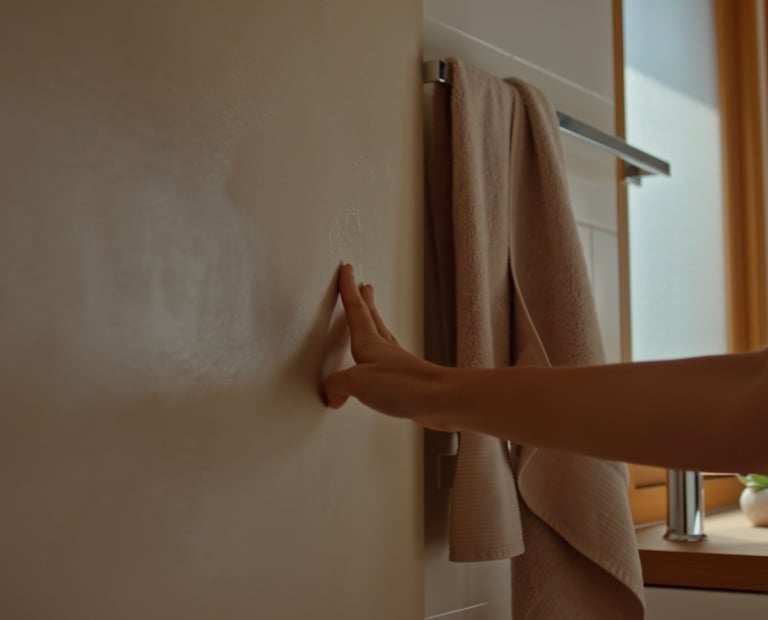
One common tactic to temporarily stop noise is to strike the wall with a broom once you notice scratching sounds. This can create fear in rodents, causing them to flee from the area.
[02]
Invest In A Cat
The presence of a cat, which is a natural predator, might be effective in scaring away rodents, as mice and rats dislike the smell of a feline's scent.
[03]
Use Essential Oil
Some people have reported that keeping clove oil nearby is an effective deterrent that keeps rodents away from walls.
Why Scratching Noises Should Not Be Ignored
Noises within walls can indicate movement in areas that are rarely inspected.
If activity continues:
pests may become more established within wall cavities
movement routes may expand to other parts of the property
entry points may be reused repeatedly
Because early signs are often subtle, it’s possible for activity to increase before the full situation is understood.
How Pests Access Wall Cavities
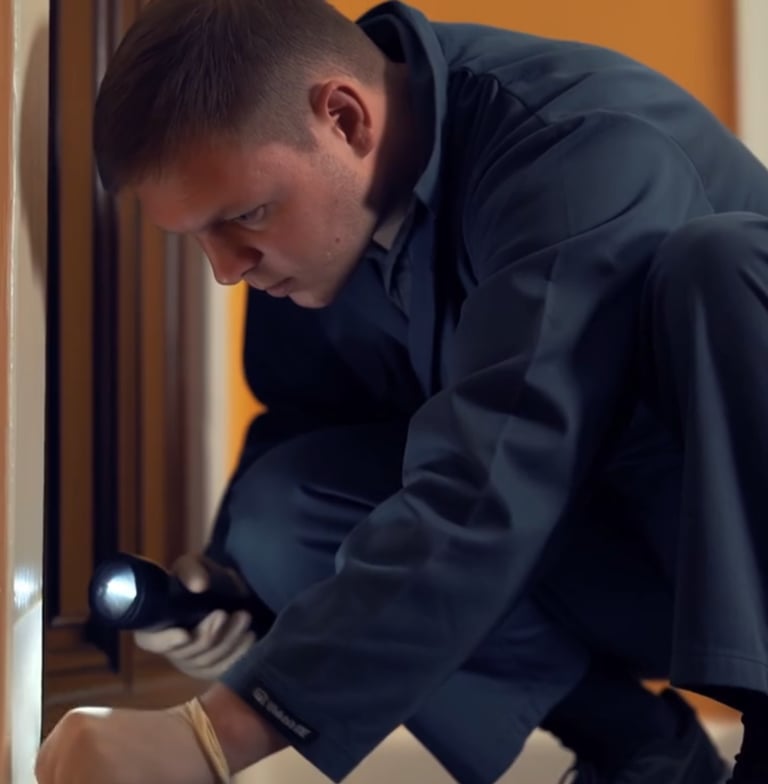
Rodents and other small pests are capable of entering properties through surprisingly small gaps.
Common access points include:
openings around pipework or utility lines
gaps behind kitchen units or appliances
cracks in external brickwork or foundations
roofline entry points connecting to internal voids
Once inside, pests may follow consistent routes along walls, often guided by scent trails.


Can Pests Stay Hidden Inside Walls
Yes. Wall cavities are ideal for rodents and insects, because they offer:
warmth
protection
invisiblity
limited disturbance
Due to the way in which these spaces are enclosed, pests can explore a premises for a prolonged period without being detected.
In some cases, noise may be the only noticeable sign for a period of time.
There are steps that may help reduce the likelihood of continued activity:
checking for visible gaps or openings around the home
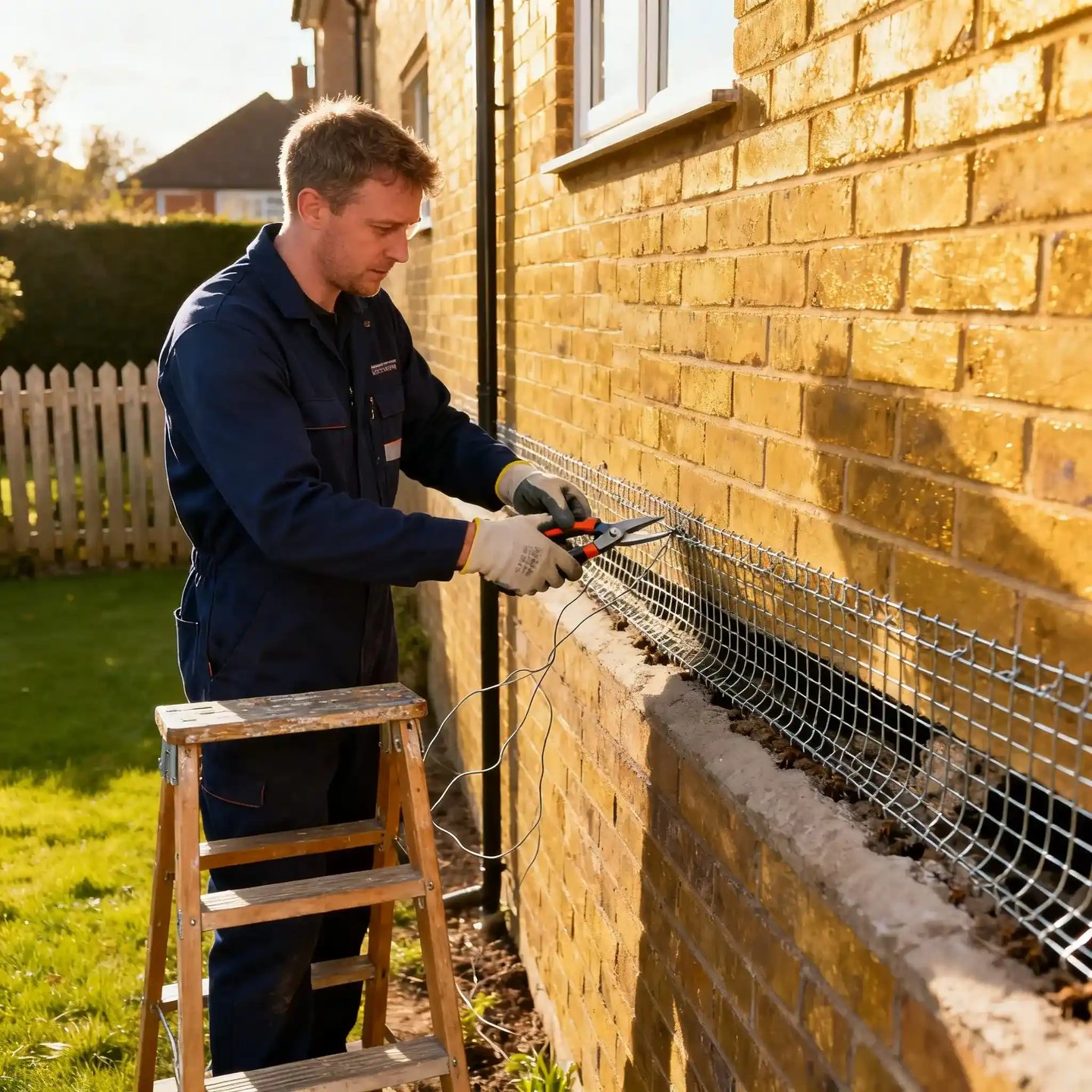
sealing accessible entry points where appropriate
keeping food stored securely and surfaces clean
reducing clutter near walls or storage areas
However, where activity is already established inside walls, these steps alone may not fully resolve the issue.
What Can Help Reduce The Problem
Frequently Asked Questions About Scratching Noises In Walls
What kind of pests cause scratching noises in walls?
Rodents such as mice and rats are among the most common causes. Other small animals or insects may also produce noise, depending on the property and location. If you suspect that you might have an infestation, experts who specialise in rat control in Wisbech offer prompt call backs after a request.
Why do the noises seem louder at night?
Reduced background noise makes movement easier to hear, and many pests are naturally more active during nighttime hours.
Can scratching noises stop on their own?
In some cases, noise may become less noticeable temporarily, but if the underlying cause remains, activity may return or increase over time.
How do pests move inside walls without being seen?
Wall cavities provide enclosed pathways that allow movement between entry points, nesting areas and food sources without exposure.
Should I be concerned if I only hear noise occasionally?
Occasional noise may still indicate early-stage activity. Monitoring changes over time can help determine whether the issue is becoming more consistent.
Can scratching noises spread to other parts of the house?
If pests establish routes within walls or ceilings, movement may extend to additional areas of the property over time.
Same-day appointments often available in Wisbech
Professional Support For Scratching Noises In Walls
✓ Fast local response times
✓ Straightforward booking process
✓ Tailored treatment plans

Want Help With Scratching Noises In Walls?
If you’re hearing persistent scratching or movement within your walls, addressing the issue early may help prevent it from becoming more disruptive. Support in Wisbech may be available depending on contractor availability and local demand.
© Wisbech Pest Control
Copyright 2026
Serving Wisbech and Fenland Areas
all content is owned by Wisbech Pest Control.
You do not have permission to download, reuse or sell any of the content on this website.
All contractors are independent businesses responsible for their own licensing, qualifications, and insurance. We do not guarantee or independently verify the validity of any certifications.
Email - info@pestcontrolwisbech.co.uk